My Beachfront Vinyl Seawall Is Failing. What Can I Do?

If you own a beachfront property and your existing vinyl sheet piling seawall is starting to fail, the first question is usually straightforward:
“Can my seawall be repaired, or do I need to replace it?”
A failing seawall should not be ignored. As the wall deteriorates, it may become less effective at retaining soil and protecting the property behind it. The right solution depends on the condition of the existing wall, site conditions, water exposure, and the extent of the damage.
If your beachfront property needs a seawall replacement, expert guidance can help ensure it’s done right this time. There’s no room to get it wrong again. A lasting solution starts with making the right choice.
Signs Your Vinyl Sheet Pile Seawall May Need Attention
Seawall problems are not always obvious at first. Property owners should pay attention to visible changes such as:
Leaning or misaligned sheet piles
Cracked or damaged sections
Soil loss or erosion behind the seawall
Gaps developing between sheet piles
Settlement along the ground behind the wall
Movement or deformation of the seawall
Finding the cause of the failure is important before choosing a replacement system. Simply replacing a damaged section without addressing the underlying problem may not provide the long-term protection the property needs.

What Should Property Owners Consider Before Replacing a Failed Seawall?
When a seawall begins to fail, replacing the damaged sheet piles alone may not always solve the underlying problem. Before moving forward, property owners should consider the overall condition of the seawall and the site.
Start with the cause of the failure.
Look for signs such as leaning sections, cracked or displaced piles, erosion behind the wall, soil loss, or settlement. Understanding what went wrong can help prevent similar problems with the replacement seawall.
Consider the property and ground conditions.
Soil type, water depth, changes in water level, wave exposure, and the height of the retained soil can all influence the design of a seawall. These conditions also help determine the appropriate sheet pile profile, length, and installation method.
Don’t overlook the supporting system.
A seawall may require more than sheet piles. Depending on the project, components such as walers, tie rods, anchors, or a cap beam may be needed to support the wall and manage the forces acting on it.
Finally, property owners should select a material suited to long-term waterfront exposure. PESC Vinyl Sheet Piles offer a corrosion-resistant solution for seawalls, bulkheads, and shoreline protection, making them a practical option to consider when replacing a failed beachfront seawall.
The final seawall design should be reviewed by a qualified engineer based on the property's actual site and loading conditions.
A Stronger Solution for Your Waterfront: PESC Vinyl Sheet Piles

A failed seawall is more than a repair project. It is an opportunity to rebuild with a material better suited to the demands of a waterfront environment.
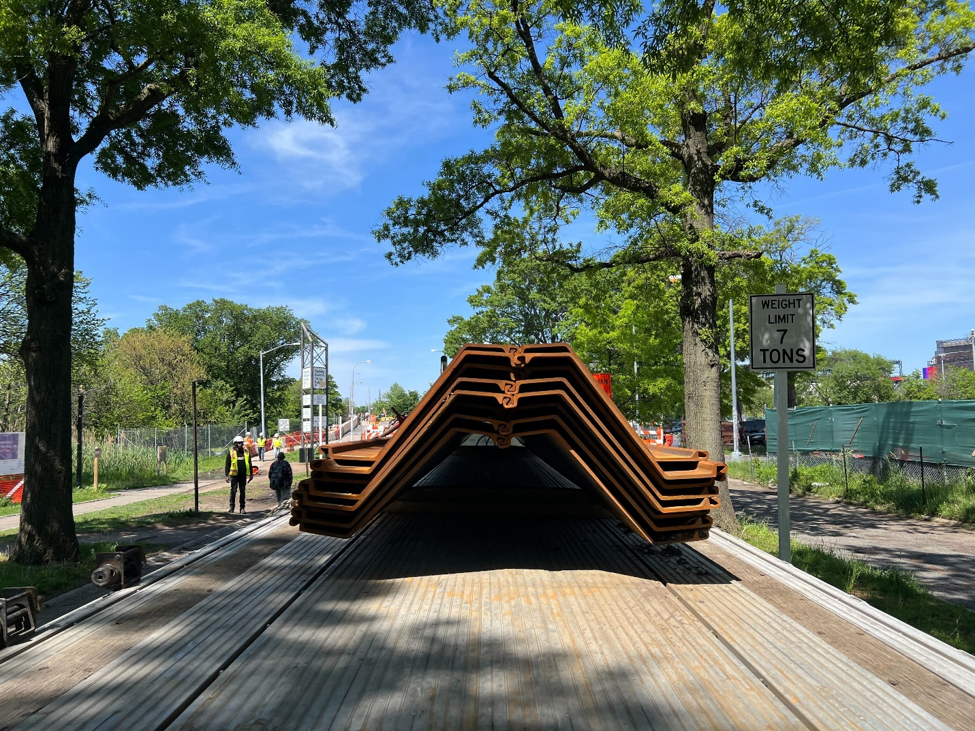
Made in the USA, PESC Vinyl Sheet Piles provide a durable, corrosion-resistant solution for seawalls, bulkheads, and shoreline protection applications. Because vinyl does not rust like conventional steel, it is particularly well suited to structures exposed to water, salt, moisture, and demanding coastal conditions.
For U.S. property owners, PESC Vinyl Sheet Piles deliver the advantage of American-made quality, ready availability, and fast delivery, helping projects move forward without unnecessary delays.
Combined with the inherent benefits of vinyl, including corrosion resistance, lightweight handling, low maintenance, and long-term suitability for waterfront environments, PESC Vinyl Sheet Piles provide a practical solution for replacing a failed seawall or constructing a new shoreline protection system.
For property owners, it is not simply about replacing what failed. It is about rebuilding with a Made in USA vinyl sheet piling solution designed for demanding waterfront applications.
Why Consider PESC Vinyl Sheet Piles?
Built for waterfront environments.
No rust or steel corrosion.
Vinyl sheet piling eliminates one of the major concerns associated with exposed steel in waterfront structures: corrosion.

Lightweight and practical.
Compared with steel sheet piling, vinyl profiles are lightweight, making them easier to handle on projects where site access and installation space may be limited.
A complete seawall approach.
Replacing a failed seawall is not simply about installing new sheet piles. Depending on the site and engineering requirements, PESC Vinyl Sheet Piles can form part of a seawall system incorporating walers, tie rods, anchors, or a cap beam.
Frequently Asked Questions About Vinyl Sheet Pile Seawalls
Can a failed vinyl seawall be repaired?
It depends on why the seawall is failing and how extensive the damage is. Some localized problems may be repairable, while significant movement, deterioration, or soil loss may require partial or complete replacement. A qualified contractor or engineer should inspect the seawall before a solution is selected.
How do I know if my seawall needs to be replaced?
Common warning signs include leaning or displaced sheet piles, visible cracks or damage, gaps between piles, erosion behind the wall, and settlement of the ground near the seawall. If you notice these conditions, having the structure evaluated early can help determine the extent of the problem.
Can PESC Vinyl Sheet Piles be used to replace my existing seawall?
Yes, PESC Vinyl Sheet Piles can be considered for residential seawall replacement and shoreline protection applications. The appropriate profile, length, embedment, and supporting system should be determined based on your site's soil, water, loading, and structural requirements.

Why use vinyl sheet piling for a beachfront property?
One of the biggest advantages is corrosion resistance. Vinyl sheet piles do not rust like conventional steel, making them an attractive option for seawalls and other structures exposed to water and coastal environments.
Will I need anchors for my new seawall?
Possibly. Depending on the height of the seawall, soil conditions, water levels, and structural loads, the design may require tie rods, deadman anchors, walers, or other supporting components. This should be determined during the engineering and design process.
Can PESC help determine which vinyl sheet pile I need?
Yes. To help identify a suitable PESC Vinyl Sheet Pile solution, property owners can provide basic project information such as:
Property location
Photos of the existing seawall
Approximate seawall length and height
Information about the existing sheet piles
Details of visible damage or erosion
Available site or soil information - The more information available, the easier it is to understand the project requirements.
Don't Just Replace the Failed Wall. Build the Right Solution.
Every waterfront property is different. Soil conditions, water levels, retained height, wave exposure, existing structures, and installation access can all influence the final seawall design.
That is why the solution should start with the right sheet pile profile and an appropriate engineered system for the site, rather than simply replacing the existing wall with the same type of configuration.
For property owners looking to replace a deteriorated beachfront seawall, PESC Vinyl Sheet Piles offer a practical, corrosion-resistant foundation for a new shoreline protection system.
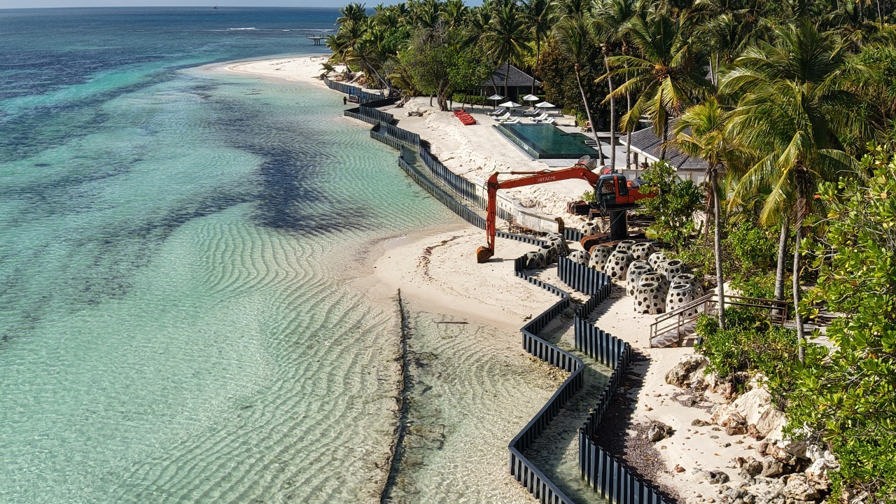
Ready to Replace Your Failing Seawall?

Talk to ESC Vinyl Pile about your waterfront project. Share photos of the existing seawall, approximate dimensions, property location, and available site information to help identify a suitable vinyl sheet pile option.
Protect your shoreline. Protect your property. Build with PESC Vinyl Sheet Piles.
Email Us: info@escvinylpile.com
Contact Us : +1 (980) 689-4388
Website: :https://escvinylpile.com/


.png)